


Healthy living is a journey,
not the destination.
AND I AM WITH YOU EVERY
STEP OF THE WAY
Best Dietician in Pune for Weight Loss, Diabetes, Thyroid & Personalized Nutrition Plans
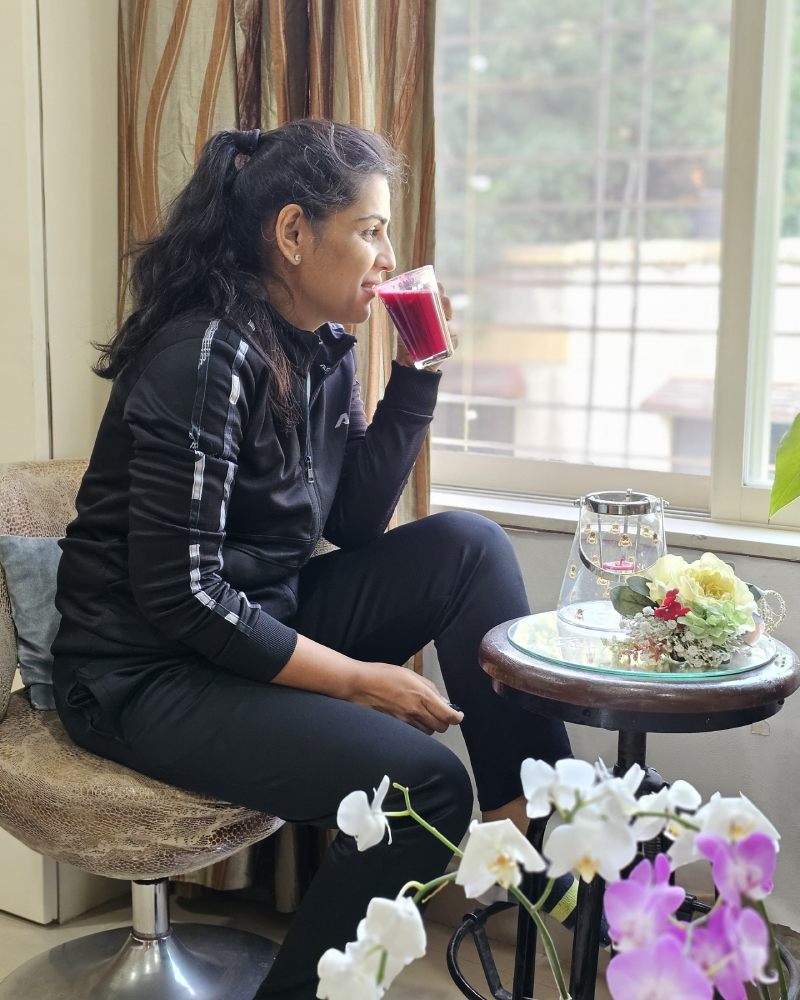
The core mission of Deepa Kabra comes from a genuine desire to help people feel better, live healthier, and actually enjoy the process. She focuses on practical, real-life solutions instead of complicated plans that are hard to follow. Every person is different, and that’s exactly how each plan is designed. Whether it’s weight loss, sports nutrition, or managing a health condition, the goal is simple, make it work for you. This approach has helped her build trust as a reliable best nutritionist in Pune.
There’s no strict dieting or unrealistic rules here. As a trusted dietician in Baner she focuses on building habits that are easy to follow even with a busy routine. Instead of quick fixes, the focus is on steady improvement that actually lasts. This balanced and practical approach is what people appreciate when working with dietician Deepa Kabra.
Best Nutritionist in Pune Where Personalized Care Feels Real, Not Rushed
Deepa Kabra, with her years of practical experience, has been listed as one of the Best Nutritionist in Pune who develops diet plans keeping the individual’s unique needs in mind. Problems such as thyroid, PCOS, or even gaining weight involve many other aspects apart from the diet alone, and hence her deep insight into the subject matter has made her the best nutritionist in Pune for many clients. Rather than offering one-size-fits-all plans, she works closely with each individual, understanding that these concerns are influenced by multiple factors beyond just food. Each plan reflects this deeper understanding and is designed for real-life situations, which is why so many people consider her the best nutritionist in Pune.
Choosing the right expert matters. She focuses on listening first and then building a plan that fits naturally into your lifestyle. This simple yet effective process has made her a dependable professional for long-term results, recognized among the best dieticians and nutritionists in Aundh.
Diet Plans

Balanced Nutrition Program for Kids

Immunity Booster Program

Pregnancy Care

Weight Loss Management Program

Wellness Program
Can Thyroid and Diabetes Improve Naturally?
These medical conditions are metabolic disorders and hence can be reversed with our Holistic Program.
A lot of people ask this, and the honest answer is Yes, in many cases, they can be improved with the right approach. These conditions are often linked to lifestyle patterns that can be corrected over time. Working with an experienced dietician in Baner, Pune helps you understand what your body actually needs instead of relying on guesswork.
The focus is on simple, steady changes that are easy to follow and sustain. There are no unnecessary supplements or extreme restrictions, just clear and structured guidance that supports long-term improvement. This approach is one of the reasons she is often mentioned among the best dietician and nutritionists in Aundh, Pune.
Why Choose
Deepa Kabra
Why Choose
Deepa Kabra
Why People Trust This Approach
People don’t just want a plan, they want clarity. That’s where working with the best dietician in Pune makes a difference. The guidance is practical, easy to follow, and designed to fit into daily life without stress or confusion.
Over time, dietician Deepa Kabra has built a reputation for being honest and straightforward. No overpromising, no shortcuts. Just consistent support and results that last. This approach continues to strengthen her standing as a trusted nutrition expert.
Videos
Why Fiber Alone Isn’t Fixing
Your Constipation
Why a Healthy Lifestyle Matters More
Than Ever
The Right Way to Drink
Water Explained!
Testimonials
Hi dear, a beautiful review for a beautiful friend and mentor, God has gifted me a very beautiful friend who helped me get out of my health problem. For the past 1 year, I was suffering from certain health issues, but in February I spoke to Deepa and she advised me a beautiful and easy diet plan that could be followed without difficulty. I started my journey at 73 kg and reduced to almost 63 kg. I am really happy with her plan, which motivated me to overcome my health problem and adopt a healthier lifestyle. Deepa is truly the Best Dietician in Pune. Her guidance, support, and practical approach made a huge difference in my journey. I also recommend others to consult her for a healthy life and positive transformation.
Thanks a lot, dear.

Thank you for making me understand the holistic approach to health. Food being an integral part of life, I learned to eat in the right manner. I no longer suffer from acidity, bloating, etc., and have shed extra kilos while gaining glowing skin. More than anything, I now have a peaceful mind because of the meditation activities suggested by you.
Thank you for this transformation. You are truly the Best Nutritionist in Pune, and I am grateful for your guidance and support throughout my journey.
I would like to thank Deepa for helping me control my blood pressure and diabetes. She made an appropriate diet plan and ensured I followed it properly through constant monitoring and regular check-ins from start to end. She always prioritized my overall well-being. As a trusted Dietician in Baner, she has been incredibly supportive, organized, and dedicated throughout my journey. Thank you, Deepa, for everything and for continuing to help me.
*The amount will be deducted from the final fees.
**In case you do not receive a call, please feel free to contact us at +91 95525 70365 Or drop a mail at info@dietitiandeepa.com
Why can’t I just continue following online tips?
Well, here’s why :
So, what now? Worry no more! Deepa Kabra is here to help.
Start Your Journey with Confidence
If you’re looking for guidance that actually fits into your life, working with the best dietician in Pune can make a real difference. The focus is not just on short-term goals but on building habits that last.
With support from a trusted nutritionist in Pune, along with the expertise of dietician Deepa Kabra, you’re not just following a plan, you’re creating a lifestyle that works for you. This consistent and practical approach continues to make her a preferred dietician in Baner Pune.